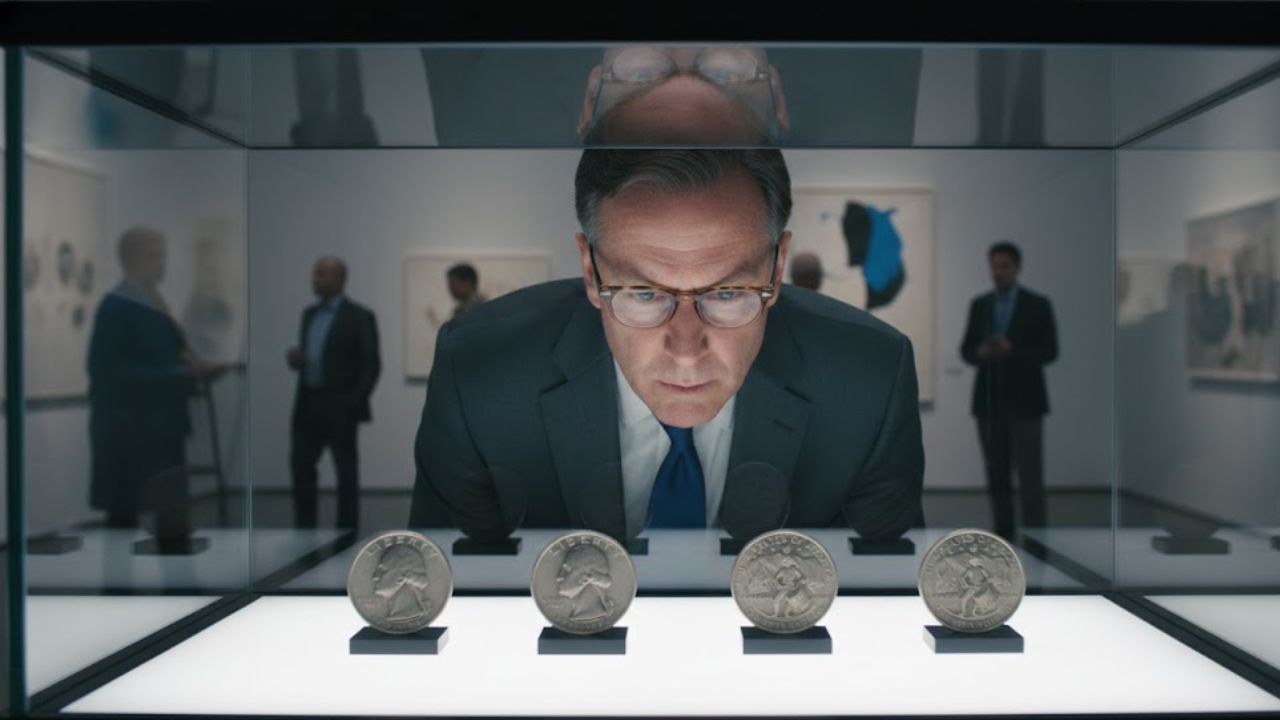
Hiding $3.2 Million: The rumor of a Bicentennial Quarter worth $3.2 million has become a modern legend in the numismatic world. While the vast majority of these 1.6 billion dual-dated quarters are worth exactly 25 cents, the story persists because of the extreme “condition rarity” and unique mint errors that have actually surfaced in recent years. As we celebrate the United States Semiquincentennial (250th anniversary) in 2026, interest in these commemorative Drummer Boy coins has reached an all-time high, driving auction prices for rare variants into the tens of thousands—though a verified $3 million sale remains a subject of intense debate and speculation.
The following table breaks down the current 2026 market reality for these iconic coins.
| Variety / Error Type | Key Identifier | 2026 Estimated Value |
| 1776–1976 Clad (Common) | Copper-colored stripe on the edge | $0.25 – $1.00 |
| 1776–1976 Silver Uncirculated | Solid silver edge; weighs 5.75g | $5.00 – $25.00 |
| 1976-S Silver Business Strike | “S” mark; MS69 Grade | $15,000 – $19,200 |
| Double Die Obverse (DDO) | Doubling on “LIBERTY” or the date | $200 – $1,500+ |
| Struck on a 10c Dime | Smaller diameter; reeded edge | $12,000 – $15,000+ |
| Experimental/Wrong Planchet | Struck on unique metal alloy | $50,000 – $350,000+ |
| The “$3.2 Million” Specimen | Perfect MS70 grade + Unique Error | Speculative / Legendary |
The Art and Symbolism of the Drummer Boy
In 1973, the U.S. Treasury held a national competition to redesign the reverse of the quarter for the 200th anniversary. Jack L. Ahr’s winning design features a Colonial Drummer alongside a victory torch encircled by thirteen stars. This design was struck in 1975 and 1976, but all carry the dual date 1776–1976. This lack of a “1975” dated quarter is a unique quirk in American history.

Why Rarity and Grade Command Millions
The $3.2 million figure usually refers to a hypothetical “perfect” coin—specifically a silver specimen graded MS70 (Mint State 70). In the world of coin grading, a single microscopic scratch invisible to the naked eye can drop a coin from $10,000 to $100. Because Bicentennial Quarters were produced in such massive quantities, they were often handled roughly by machinery, making a perfect, mark-free specimen nearly impossible to find. Collectors in 2026 are also hunting for “Full Drum” strikes, where the details on the top of the drummer’s instrument are perfectly sharp and not “mushy.”
Identifying Rare Errors and Composition
If you find a Bicentennial Quarter in your change, follow these three verification steps immediately:
- Check the Edge: If the edge has a solid silver look with no copper stripe, you may have a 40% silver coin meant only for collector sets.
- The Weight Test: A standard clad quarter weighs 5.67 grams. A silver version weighs 5.75 grams. Use a digital scale to check for these “transitional” errors.
- Magnify the Date: Use a loupe to look for Doubled Die Obverse (DDO) errors. If the numbers in “1776–1976” look like they were stamped twice, you could be holding a coin worth several hundred dollars.
Final Verdict
While the $3.2 million Bicentennial Quarter may be more myth than reality for the average person, the 2026 market is proving that these coins are still full of surprises. Rare silver business strikes and dramatic “mule” errors (where the quarter was struck on a dime or nickel planchet) are the true treasures of the series. Even if your quarter isn’t worth millions, the 40% silver versions and high-grade uncirculated examples remain excellent investments as the nation celebrates its 250th year.

Disclaimer
The valuations provided in this guide are estimates based on 2026 market trends and auction records. Most Bicentennial Quarters found in circulation are worth only face value. Always have potential rarities authenticated by a professional service like PCGS or NGC before attempting to sell. This content is for educational purposes and does not constitute financial advice.
This video provides a detailed breakdown of the specific 1776–1976 Drummer Boy variations and mint errors that are currently commanding high premiums in the collector market.
Would you like me to create a “2026 Price Trend Chart” showing which Bicentennial errors have increased most in value over the last twelve months?